
Check Valve Guide: Types, Installation & Best Practices for Optimal Performance
Check valve systems play a crucial role in fluid control, ensuring seamless flow while preventing unwanted backflow. Whether you're involved in industrial applications or managing residential plumbing, understanding check valves can greatly influence your water system efficiency.
These components aren't just simple mechanisms—they're integral to maintaining fluid dynamics and protecting essential equipment from potentially damaging pressure surges and contamination.
Why Backflow Prevention Matters
One of the most pressing concerns in fluid management is preventing backflow, which can lead to severe complications in water supply systems. Reliable check valves provide effective solutions that safeguard water flow integrity.
They contribute to reducing phenomena like water hammer—a common issue that causes significant wear on pipes and valves. The right check valve type can enhance your entire system performance, ensuring everything from irrigation to industrial processing operates smoothly.
In this article, we'll explore six must-know facts about check valves that will deepen your understanding of their crucial functions and advantages. From essential roles in water systems to installation best practices, we'll provide comprehensive insights to optimize your fluid control systems.
Whether you're a seasoned professional or just starting, recognizing check valve significance will empower you to make informed decisions that enhance system reliability and performance.
Reliable Check Valves: Essential Components for Water Systems
Reliable check valves are imperative for ensuring efficiency and safety in water flow systems. These dependable valves maintain proper fluid dynamics and protect critical system components.
Here's why these valves are essential for effective water flow control:
- Prevent Backflow
- Check valves allow fluid flow in one direction while preventing reverse flow. This function is vital where backflow could damage pumps or contaminate supply.
-
Example: In water treatment plants, check valves prevent treated water from flowing back into untreated reservoirs, ensuring purity and safety.
-
Equipment Protection
-
By stopping reverse flow, check valves protect downstream equipment from potential damage caused by surges or water hammer phenomena.
-
Example: When a pump stops suddenly, a check valve prevents water backflow that might otherwise damage the pump or associated pipelines.
-
Water Hammer Reduction
-
Water hammer is a pressure surge caused by sudden fluid velocity changes. Reliable check valves, especially those designed with water hammer reduction features, help mitigate this issue.
Swing check valves and silent check valves provide smoother transitions that minimize pressure spikes in the system.
-
Sealing Effectiveness
-
Check valves form tight seals, preventing leaks—particularly crucial in industrial applications where material safety and environmental regulations are stringent.
-
Versatile Applications
- Check valves are utilized across various sectors, from household plumbing to industrial fluid systems.
-
Example: In irrigation systems, they ensure fertilizers and water are distributed precisely without backflow that could dilute treatments.
-
Enhanced System Performance
- Improved efficiency
- Reduced maintenance costs
- Extended operational lifespans for pumps and key components
-
By managing flow direction and preventing backflow, reliable check valves enhance overall fluid control system performance. This leads to:
Comparison of Common Check Valve Types
| Check Valve Type | Advantages | Ideal Applications |
|---|---|---|
| Swing Check Valve | Minimizes turbulence, low-pressure drop | Water distribution, irrigation systems |
| Silent Check Valve | Reduces water hammer and operates quietly | Potable water supply, HVAC systems |
| Ball Check Valve | Good for handling slurries, low maintenance | Wastewater treatment, sewage applications |
| Foot Valve | Prevents drainage in pumping lines | Suction lines in water pumping systems |
| Butterfly Check Valve | Fast operation, minimized flow resistance | HVAC, fire protection systems |
| Duckbill Check Valve | Flexible design, handles debris well | Stormwater management, drainage systems |
Swing Check Valve: Advantages in Industrial Settings
Swing check valves are essential components in many industrial fluid control systems. They prevent backflow while allowing fluid to flow in one direction using a simple yet effective design.
Key Benefits
-
Efficient Flow Management
-
Swing check valves provide minimal resistance to flow when open, allowing fluids to pass without significant pressure drops. This efficiency is particularly useful in large diameter pipelines where maintaining flow rates is crucial.
-
-
Durability and Reliability
-
Typically made from robust materials like cast steel, swing check valves withstand harsh conditions and high pressures, reducing failure risk in critical applications.
Their construction ensures longevity, making them suitable for demanding environments such as:
- Oil and gas facilities
- Petrochemical plants
- Water treatment facilities
-
-
Self-Operating Mechanism
-
Unlike other valves requiring manual operation or actuation, swing check valves operate automatically based on fluid dynamics. This feature:
- Simplifies system design
- Reduces operational costs
- Eliminates need for external power sources or complex mechanisms
-
-
Water Hammer Protection
-
Swing check valves mitigate water hammer effects—abrupt pressure surges caused by sudden flow changes. This is particularly important in fluid systems where pressure fluctuations can damage equipment.
By utilizing designs such as lever and weight configurations, these valves ensure smoother operation and extend equipment life.
-
-
Versatile Applications
-
Swing check valves are widely applicable across various industries:
- Water Distribution: Preventing backflow in municipal water supply systems
- Industrial Processes: Protecting pumps and equipment in chemical processing plants
- HVAC Systems: Ensuring proper fluid flow and preventing reverse flow in heating and cooling systems
-
-
Cost-Effective Solution
-
Their straightforward design and low maintenance requirements make swing check valves cost-effective. Regular inspections and minimal upkeep help reduce overall operational costs.
-
Swing Check Valve Type Comparison
| Valve Type | Advantages | Best Use Cases |
|---|---|---|
| Standard Swing Check Valve | Simple design, low pressure drop | Water distribution, general industrial use |
| Lever and Weight Swing Check Valve | Effective water hammer reduction | High-pressure systems, applications with fluctuating flow |
| Lever and Spring-Assisted Swing Check Valve | Superior performance in high-flow conditions | Critical infrastructure, high-velocity pipelines |
Silent Check Valve, Globe Style: Key Features and Benefits
Silent check valves, also known as spring-assisted or poppet check valves, are essential components prioritizing reliable flow management while minimizing noise. They incorporate features and benefits making them preferred choices in various industrial applications.
Key Features
-
Spring-Loaded Mechanism
-
The primary feature is their spring-loaded design. This mechanism allows quick closure, preventing backflow before it occurs.
When fluid attempts to reverse, the spring swiftly forces valve closure, safeguarding the system against pressure shocks and potential damage.
-
-
Compact Design
-
Silent check valves typically have smaller footprints compared to other check valve types, making them ideal for tight spaces in plumbing and industrial settings.
This compactness doesn't compromise performance, ensuring effective fluid control.
-
-
Enhanced Sealing
-
With their poppet design, silent check valves provide tighter seals when closed, minimizing leak risk. This is particularly crucial in applications where maintaining fluid integrity is essential, such as potable water systems.
-
Benefits
-
Water Hammer Reduction
-
One of the most significant advantages is their ability to mitigate water hammer—a phenomenon caused by sudden fluid pressure changes that can lead to noise and system damage.
The rapid, quiet closure prevents forceful slamming associated with traditional check valves.
-
-
Versatile Applications
-
Silent check valves are suitable for wide-ranging applications:
- Potable Water Supply: Ensuring reliable clean water supply without contamination
- Hydronic Heating Systems: Maintaining consistent flow while reducing noise levels
- Clean Process Applications: Ideal for environments handling chemicals or sensitive fluids, preventing backflow and contamination
-
-
Extended Equipment Lifespan
-
By preventing backflow and minimizing pressure fluctuations, silent check valves help protect pumps and other fluid system components. This leads to less wear and tear, ultimately extending equipment lifespan.
-
Comparison with Other Check Valve Types
| Feature | Silent Check Valve | Swing Check Valve | Ball Check Valve |
|---|---|---|---|
| Closure Mechanism | Spring-assisted poppet | Gravity-operated disc | Ball that lifts off a seat |
| Noise Level | Low | Moderate to High | Moderate |
| Backflow Prevention | Excellent | Good | Excellent |
| Installation Orientation | Vertical or Horizontal | Typically Horizontal | Vertical |
| Common Applications | Potable water, HVAC, clean processes | Water distribution | Sewage systems, fuel lines |

Check Valve Installation: Best Practices for Longevity
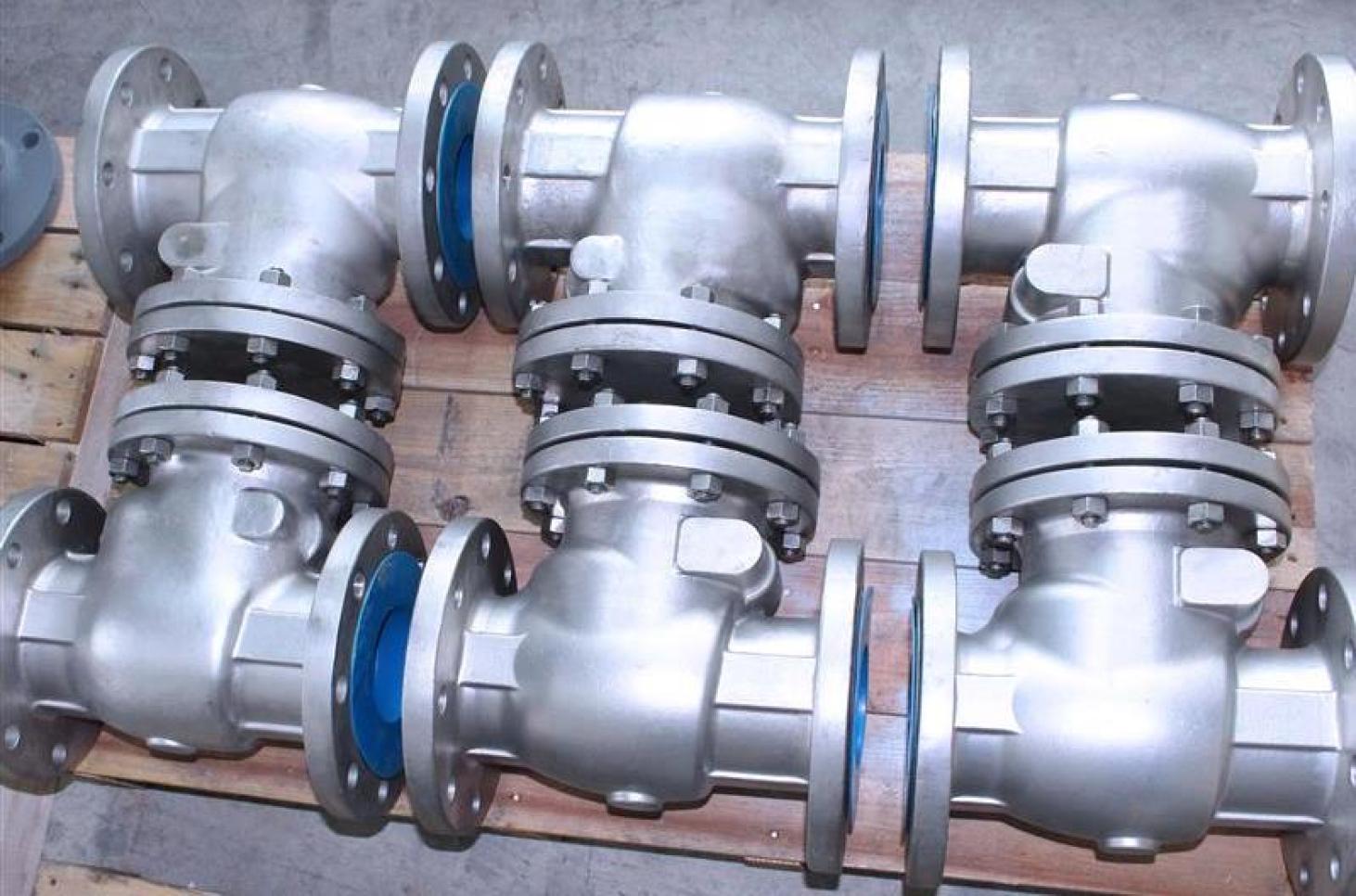
Installing check valves correctly is crucial for ensuring efficiency and longevity of fluid control systems. Here are best practices for check valve installation and maintenance.
-
Proper Orientation
-
Vertical vs. Horizontal Installation
-
Most check valves are designed for specific orientations:
- Lift check valves should mostly be installed vertically
- Swing check valves can be installed horizontally
- Identify Flow Direction
-
Ensure the valve is installed in the correct direction, indicated by an arrow on the valve body. Incorrect installation can lead to reverse flow, damaging the system.
-
-
Consider Cracking Pressure
-
Understand Cracking Pressure
-
Cracking pressure is the minimum pressure required to open the valve. Make sure system pressure exceeds this threshold consistently to avoid failures.
- Example: For a valve with 5 psi cracking pressure, ensure the pipeline operates above this pressure during normal conditions.
-
-
Use Appropriate Materials
-
Material Compatibility
-
Select check valves made from materials compatible with the media being transported:
- Stainless steel is ideal for corrosive fluids
- PVC is suitable for water applications
-
Durability
-
High-grade materials enhance valve lifespan, especially in harsh environments like wastewater treatment where valve quality significantly impacts performance.
-
-
Regular Maintenance
-
Establish a Maintenance Schedule
-
Regular inspections for wear and tear help catch issues early. Clean valves as needed to prevent sediment blockages.
- Lubricate Moving Parts
-
For valves with mechanical components, ensure proper lubrication to maintain functionality, especially in swing check valves where the disc needs to move freely.
-
-
Reduce Water Hammer
-
Install Dampers or Surge Protectors
- Water hammer can damage check valves. Use dampers to cushion sudden flow change impacts, especially in high-velocity systems.
-
Use Silent Check Valves
-
Consider installing silent check valves in systems prone to water hammer to minimize noise and prevent pressure surge damage.
-
-
Inspect Downstream Equipment
-
Protect Upstream Equipment
- Ensure check valves are located upstream of sensitive devices like pumps and compressors. This protects them from potential backflow damage.
-
Example: In water pumping systems, a foot valve installed at the pump's suction line helps prevent backflow when the pump stops, protecting the pump from potential damage.
-
Check Valve Types and Applications Comparison
| Check Valve Type | Best Use Case | Key Feature |
|---|---|---|
| Swing Check Valve | Water distribution systems | Minimizes turbulence |
| Lift Check Valve | Boiler feedwater lines | Excellent for high-pressure systems |
| Ball Check Valve | Slurry movement applications | Low-maintenance |
| Silent Check Valve | Hydronic heating systems | Reduces water hammer |
| Duckbill Check Valve | Stormwater and drainage | Self-cleaning, handles debris |
Check valves are fundamental components in fluid control systems, serving crucial functions that enhance efficiency, safety, and performance across various applications.
To enhance your understanding and decision-making, consult with our industry experts today for customized check valve solutions and professional guidance.
Get in Touch | Request Quote