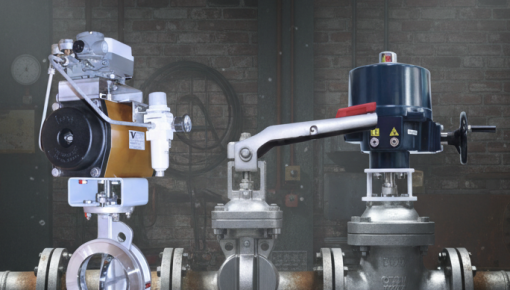

From Water Systems to Oil Pipelines: Why Gate Valves Matter More Than You Think

Gate valves are critical components in various industrial applications, playing an essential role in the management of fluid flow. Understanding their importance not only aids in selecting the right valve for your specific needs but also enhances the efficiency and safety of operations. In this article, we will delve into the practical aspects of gate valves, exploring their diverse applications, the materials used for their manufacturing, and maintenance practices that ensure their longevity.
From water supply systems to wastewater treatment plants, gate valves are ubiquitous in engineering projects. Their ability to provide a full-port opening allows for maximum flow with minimal pressure loss, making them ideal for essential infrastructures. Additionally, the material choice, particularly cast steel, significantly influences the quality and durability of these valves, ensuring they can withstand high pressure and extreme conditions encountered in industries like oil and gas.
As we progress through this article, we will arm you with comprehensive knowledge about gate valve applications, maintenance best practices, and the advantages of high-pressure variants. Whether you are an engineer looking to optimize your designs or a facility manager aiming to enhance operational efficiency, this guide will equip you with the insights needed for effective management of gate valves. Join us as we uncover the six things you need to know about gate valves and elevate your understanding of this vital component in fluid management systems.
Gate Valve Applications: Critical Insights for Engineers
Gate valves are essential in various engineering applications due to their ability to efficiently control the flow of fluids in pipelines. Here are the key applications where gate valves are typically employed:
Here's why these valves are essential for effective water flow control:
- Water Supply Systems
- Gate valves are the most common choice in water supply networks. They are used for isolating sections of the pipeline during maintenance or repairs, ensuring safety and minimal disruption to the water supply. They provide a full-port opening, allowing for maximum flow and minimal pressure loss. Gate valves in water supply systems are available in resilient-seated and metal-seated types.
-
Wastewater Treatment
-
In wastewater treatment plants, gate valves play a critical role in controlling the flow of sewage and treated water. They are often used in conjunction with knife gate valves, which are particularly effective for handling slurries and wastewater because of their sharp-edged design, allowing them to cut through solids.
-
Oil and Gas Industries
-
Gate valves are widely used in the oil and gas sectors for isolating pipelines. Their design minimizes pressure drops, making them ideal for high-pressure applications. They can handle a range of temperatures and are suitable for both above-ground and underground installations.
-
Chemical Processing
-
In chemical plants, gate valves are deployed due to their reliability in handling various chemicals. They are often made of materials that resist corrosion and can be used in both high and low-pressure environments.
-
Fire Protection Systems
- Gate valves are integral to fire protection systems, allowing for the quick shut-off of water supply in case of fire. Their robust design ensures that they can withstand high-pressure conditions while providing an effective sealing mechanism.
-
Irrigation Systems
- In agricultural settings, gate valves are used to control the flow of water for irrigation. Their ability to provide tight shutoff when closed helps conserve water and improve efficiency.
| Type | Application | Advantages |
|---|---|---|
| Resilient-Seated Gate Valves | Water supply, wastewater treatment | Excellent sealing capabilities |
| Metal-Seated Gate Valves | Oil and gas, chemical processing | Suitable for high-temperature fluids |
| Knife Gate Valves | Wastewater applications | Effective for slurries and solids |
| Parallel Slide Gate Valves | Gas supply systems | Minimal pressure loss |
Key Features of Gate Valves
- Design: Most gate valves feature either a wedge or parallel design, with wedge gate valves being the most common in water distribution systems.
- Functionality: They are designed for fully open or fully closed service, preventing use as control valves.
- Operation: The slow operational mechanism reduces the risk of water hammer effects, making them safer for sensitive applications.
Choosing the right gate valve depends on the specific engineering project and its requirements. Understanding the various types, their applications, and their advantages is essential for efficient management and operation within engineering systems.
The Role of Cast Steel in Gate Valve Manufacturing
When it comes to gate valves, the choice of material plays a crucial role in determining their performance and reliability. Among various materials, cast steel stands out as a preferred option for many gate valve manufacturers.
Here are some key ways in which cast steel influences the quality of gate valves:
-
Strength and Durability
-
Cast steel provides high tensile strength, making gate valves resistant to high pressure and extreme temperatures. This is particularly important in industries such as oil and gas where valves are subjected to harsh conditions.
-
For example, in demanding petrochemical refining facilities, using cast steel gate valves ensures that the valves can withstand fluctuations in pressure without compromising safety.
-
Corrosion Resistance
-
Modern cast steel valves often incorporate protective coatings that enhance their resistance to corrosion. This feature is essential when gate valves are used in wastewater or aggressive chemical environments where corrosion could lead to failure.
-
Consider the application of gate valves in large-scale municipal waterworks, where cast steel valves minimize maintenance costs due to their longevity.
-
Versatile Design Options
-
Cast steel can be easily molded into complex shapes, allowing for innovative designs in gate valves. Manufacturers can produce valves with intricate features that enhance performance, such as improved seating surfaces for better sealing.
-
For instance, leading international manufacturers utilize advanced casting techniques to create valve bodies that optimize flow characteristics while minimizing turbulence.
-
Cost-Effectiveness
-
While cast steel might have a higher upfront cost compared to other materials, its durability often translates to lower long-term operational costs. Fewer replacements and repairs mean that the initial investment pays off over time.
-
A practical example is in major urban water distribution networks, where the initial cost of cast steel gate valves is justified by their extended service life and reduced maintenance needs.
-
Improved Sealing Properties
- The manufacturing process of cast steel allows for precision that enhances the sealing integrity of the valves. This is critical for applications where preventing leaks is paramount, such as in chemical processing.
-
For example, the use of resilient-seated gate valves made from cast steel in specialized chemical processing facilities ensures that even when subjected to particulates in the fluid, the valves can still achieve tight closures.
| Material | Strength | Cost | Applications |
|---|---|---|---|
| Cast Steel | High | Higher upfront | Oil & Gas, Water Treatment |
| Ductile Iron | Moderate | Lower | General Water Supply |
| PVC | Low | Lowest | Residential Plumbing |
| Stainless Steel | Very High | Highest | Food Processing, Pharmaceutical |
In conclusion, the decision to utilize cast steel in gate valve manufacturing has significant implications for their overall performance, longevity, and cost-effectiveness. This material not only enhances the strength and durability of the valves but also ensures they meet the rigorous demands of various industrial applications, making it a favored choice among gate valve manufacturers.
Comprehensive Guide on Gate Valve Maintenance Practices
Maintaining gate valves is essential for ensuring their longevity and optimal performance in various applications. Proper maintenance can prevent costly repairs and downtime.
Here are some best practices to keep in mind for effective gate valve maintenance:
- Regular Inspection:
- Conduct routine inspections to identify any signs of wear, corrosion, or leakage. Check the following components:
- Body : Look for cracks, rust, or any signs of damage.
- Stem: Ensure smooth operation by checking for any obstructions or corrosion.
- Seals: Inspect for wear and tear that may lead to leaks.
- Conduct routine inspections to identify any signs of wear, corrosion, or leakage. Check the following components:
- Lubrication: Proper lubrication is crucial for the smooth operation of gate valves. Regularly lubricate the stem and any moving parts to reduce friction and wear. Use appropriate lubricants that are compatible with the valve materials and the fluid being handled.
- Cleaning: Keep the valve and surrounding area clean to prevent debris and contaminants from entering the system. For example, when working on a water supply system, ensure no dirt or sediment accumulates around the valve.
- Testing Valve Operations:
- Periodically test the operation of the gate valve to ensure it opens and closes fully without any hitches. A simple test can be performed by:
- Fully opening the valve and then closing it completely to check for any resistance.
- Monitoring the valve position to ensure it aligns correctly with the flow direction.
- Periodically test the operation of the gate valve to ensure it opens and closes fully without any hitches. A simple test can be performed by:
- Replace Worn Components: If during inspections you notice any worn or damaged components, such as the wedge or seals, replace them promptly to prevent further issues. For example, if the elastomer on a resilient seated gate valve shows signs of wear, replacing it can improve sealing and prevent leaks.
- Proper Installation:
-
Correct alignment with the pipeline to avoid undue stress on the valve.
-
Ensuring that there is enough space for maintenance activities around the valve.
-
- Ensure that the gate valve is installed correctly according to the manufacturer’s guidelines. This includes:
| Feature | Resilient-Seated Gate Valves | Metal-Seated Gate Valves |
|---|---|---|
| Sealing Mechanism | Elastomer provides tight seal | Metal surfaces require precise alignment |
| Impurity Handling | Seals around impurities | May trap solids, affecting sealing |
| Maintenance Frequency | Lower frequency due to high flexibility | Higher frequency due to wear |
| Applications | Ideal for drinking water systems | Typically used in industrial applications |
By following these maintenance practices, you can enhance the performance and reliability of gate valves, ensuring they serve effectively in their intended applications. Whether you are managing a water supply system or overseeing industrial processes, maintaining your gate valves will significantly contribute to operational efficiency and reliability.
The Benefits of High Pressure Gate Valves Explained
High pressure gate valves are essential components in various industrial applications, providing numerous benefits that enhance operational efficiency and safety.
Here are some key advantages of using high pressure gate valves:
- Minimal Flow Resistance
- High pressure gate valves are designed to allow fluid to flow through with minimal obstruction. When fully open, they create a clear passage, resulting in negligible pressure drop. This feature is critical in applications where maintaining pressure is essential, such as in water supply systems. For instance, in a large urban water treatment plant, high pressure gate valves help ensure the delivery of water without significant loss of pressure, allowing efficient operation of the entire system.
-
Durability and Longevity
-
Constructed from robust materials, high pressure gate valves can withstand harsh operating conditions. They are designed to handle high pressure and temperature, making them ideal for industries such as petrochemical and power generation. For example, Cast Steel gate valves are commonly used in oil refineries, providing reliable performance over extended periods, even in challenging environments.
-
Effective Isolation
-
High pressure gate valves serve as effective isolation valves. They can completely shut off the flow of fluid, making them essential for maintenance and emergency situations. In a scenario where a pipeline needs repair, these valves can isolate sections of the pipeline to prevent loss of product and ensure safety during maintenance.
-
Versatility
-
These valves can be used in various applications, including potable water supply, wastewater management, and gas distribution. Their ability to function effectively across different environments makes them a preferred choice for gate valve suppliers. For example, in a multi-faceted industrial complex, a variety of high pressure gate valves are utilized for different processes, demonstrating their adaptability.
-
Cost-Effectiveness
- Although the initial investment may be higher than other types of valves, the long-term savings associated with high pressure gate valves can be significant. Their durability reduces the frequency of replacements and maintenance, leading to lower operational costs over time. Companies frequently report reduced downtime and increased productivity, justifying the upfront costs.
-
Ease of Maintenance
- Many high pressure gate valves feature designs that facilitate easy maintenance and repair. For instance, the ability to access internal components without removing the entire valve from the pipeline system allows for quicker service and reduces the impact on operations. This is particularly beneficial in environments like international manufacturing hubs where downtime can lead to significant financial losses.
| Benefit | Explanation | Example |
|---|---|---|
| Minimal Flow Resistance | Allows for a clear passage, reducing pressure drop | Used in municipal water supply systems |
| Durability and Longevity | Stands up to high pressure and temperature | Utilized in oil refineries |
| Effective Isolation | Completely shuts off flow for safety | Isolates pipeline sections during maintenance |
| Versatility | Suitable for various applications | Found in potable water, wastewater, and gas distribution |
| Cost-Effectiveness | Long-term savings through reduced replacements and downtime | Reported savings in manufacturing facilities |
| Ease of Maintenance | Facilitates quick repairs without full disassembly | Maintained easily in industrial plants |
In conclusion, high-pressure gate valves play a crucial role in ensuring efficient and reliable fluid management across diverse industrial applications—from water supply and wastewater treatment to the oil and gas sectors. Their durability, efficiency, and versatility make them indispensable for maintaining smooth operations in demanding environments. The use of quality materials such as cast steel enhances their strength and corrosion resistance, contributing to long-term performance and operational integrity. To maximize their lifespan and functionality, regular maintenance practices—such as routine inspections, lubrication, and timely replacement of worn parts—are essential. By selecting the right gate valve type and supplier, industries can effectively harness these advantages, achieving optimal system efficiency, safety, and cost-effectiveness. Embracing these best practices ensures that your operations continue to perform reliably and successfully under pressure.
Ready to enhance your system's efficiency and reliability?
Contact our experts today for a tailored consultation and get a quote for your next critical project.