
Actuated Butterfly Valve Guide: Types, Functions, and Applications
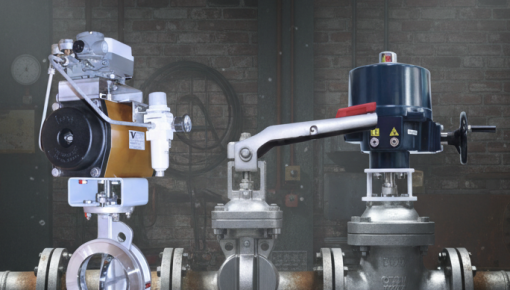
Actuated butterfly valves are critical components in fluid control systems across industries such as petrochemical, chemical processing, power generation, HVAC, and water treatment. Known for their compact design, quick operation, and cost-effectiveness, these valves provide reliable flow regulation and isolation. When paired with actuators, butterfly valves offer automation, precision, and safety, helping plants achieve efficiency and reduce operating costs.
Butterfly Valve Basics
Butterfly valves are quarter-turn devices that use a rotating disc to control fluid flow. Turning the actuator 90 degrees positions the disc parallel or perpendicular to the medium, opening or closing the valve.
- Disc Design: Can be concentric or eccentric (double or triple offset) to improve sealing and reduce wear.
- End Connections: Common forms include wafer, lug, double-flanged, and butt-welded, chosen according to installation and pressure needs.
Key Factors in Actuator Selection
Choosing the right actuator depends on several operational and environmental conditions:
- Valve Size and Pressure: Larger diameters or higher pressure systems often require hydraulic or pneumatic actuators.
- Operating Frequency: Valves that cycle frequently benefit from automated actuators to reduce manual labor.
- Control Precision: Applications needing fine adjustment may prefer electric actuators.
- Power Availability: Air, electricity, or hydraulic supply determines actuator type.
- Environment: Explosive or wet conditions often rule out electric actuators, favoring pneumatic options.
Types of Butterfly Valve Actuators
-
Manual Actuators
Operated by lever or gear with a handwheel. Cost-effective and simple but unsuitable for frequent or remote operation.
-
Electric Actuators
Use electric motors for precise positioning and remote control. Ideal for automated systems, but sensitive to humidity and hazardous environments.
-
Hydraulic Actuators
Provide high torque using pressurized fluids. Suitable for large valves and high-pressure pipelines, though cost and complexity are higher.
-
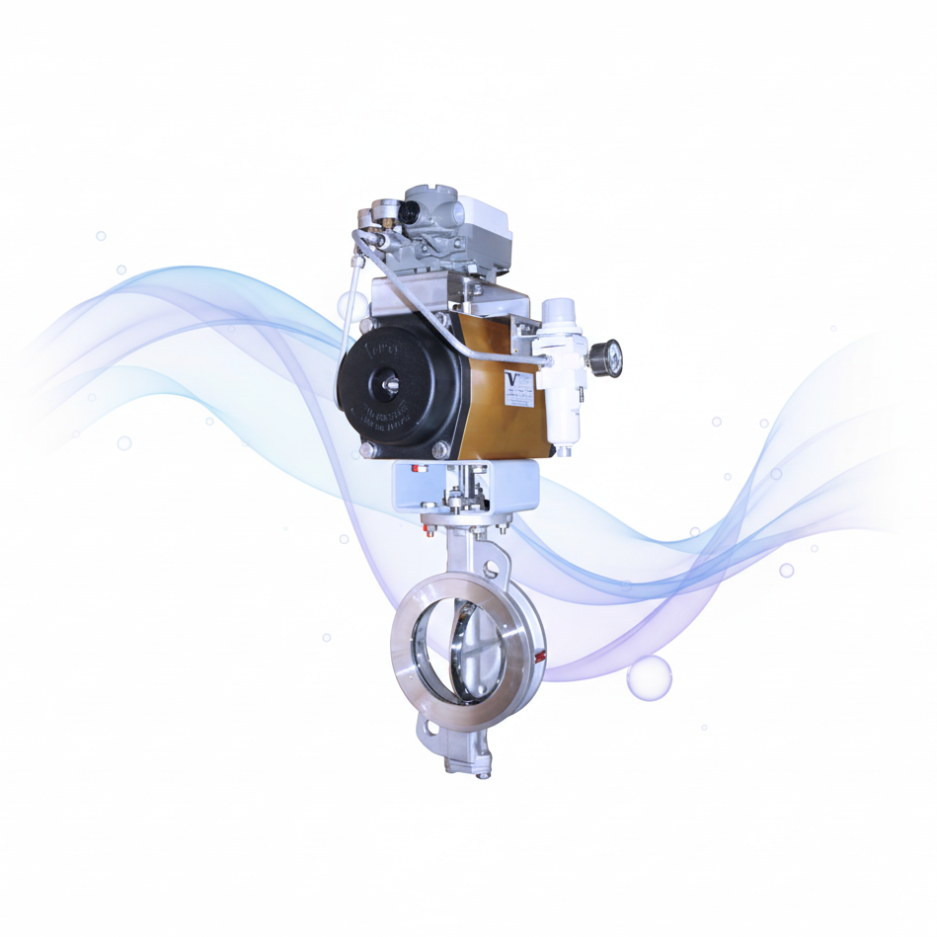
Pneumatic Actuators
Driven by compressed air, offering fast response and safety in explosive environments. Widely used in petrochemical and water treatment facilities.


| Actuator Type | Advantages | Disadvantages | Applications | ||
|---|---|---|---|---|---|
| Manual |
|
|
|
||
| Electric |
|
|
|
||
| Pneumatic |
|
|
|
||
| Hydraulic |
|
|
|
Industry Applications
-
Petrochemical Plants
Pneumatic actuators ensure reliable operation in high-temperature and explosive atmospheres.
-
Food & Beverage Processing
Electric actuators provide hygienic, precise flow control.
-
Power Generation & Heavy Industry
Hydraulic actuators operate large valves under extreme pressures.
-
Water Treatment
Automated pneumatic systems reduce manual inspection and improve operational efficiency.
Actuated butterfly valves combine the simplicity of butterfly valve design with the automation of actuators, delivering efficiency, reliability, and safety across industries. Proper actuator selection extends service life, reduces downtime, and ensures consistent system performance.
Looking for the right actuator solution? Contact our team today for expert advice and customized valve automation services.