
Control Valve Parts and Maintenance Guide
Control valves are essential components in process automation, widely used in petrochemical, chemical, food processing, energy, and water treatment industries. They precisely regulate flow and pressure while maintaining pipeline system stability. The quality of valve components and regular maintenance directly affect system reliability and service life. Improper maintenance can lead to reduced production capacity, unstable product quality, and potential safety hazards. Understanding valve structure and maintenance practices is crucial for automation engineers and maintenance personnel.
Key Control Valve Parts and Their Functions
-
Valve Body
-
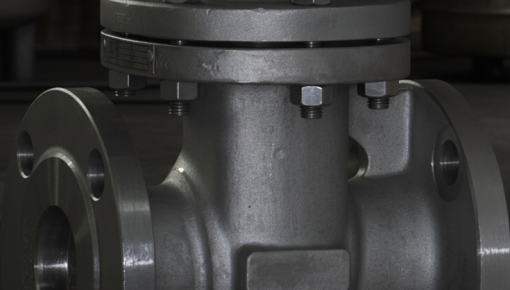
The valve body is the core component that withstands pressure and determines the flow path. Material selection depends on the type of medium, operating temperature, and pressure conditions. High-temperature steam or corrosive chemicals typically require stainless steel, alloy steel, or special corrosion-resistant materials to extend service life and reduce maintenance costs. Valve body design also affects flow resistance, impacting system efficiency and control accuracy.
-
-
Stem & Seat
- Stem: Connects the actuator and transmits motion to the valve plug, affecting control precision and wear resistance. Surface hardening or special coatings can reduce long-term wear.
- Seat: Forms a seal with the valve plug, determining shut-off accuracy and leakage. High-precision flow control requires seats made of hard, corrosion-resistant materials such as alloy steel, ceramics, or polymers.
-
Actuator
-
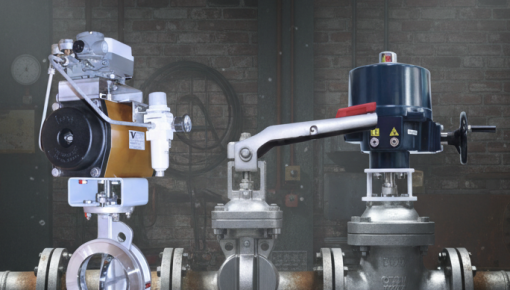
Actuators convert PLC or DCS signals into valve stem movement and can be pneumatic, electric, or hydraulic. Pneumatic actuators are simple and responsive; electric actuators offer high precision and remote management; hydraulic actuators provide higher thrust and stability for large or high-pressure valves. Proper selection reduces energy consumption and maintenance frequency.
-
-
Packing & Seals
-
Packing and seals prevent leakage and ensure safe operation. For corrosive or high-temperature media, PTFE, graphite, or high-performance elastomers are recommended. Regular inspection and replacement prevent seal failure and reduce downtime.
-
-
Smart Sensors
-
Modern valves often incorporate smart sensors for real-time position feedback and performance monitoring, supporting predictive maintenance and data analysis. Large plants integrate sensor data with SCADA systems to achieve remote monitoring, automated alerts, and data logging, improving system reliability and management efficiency.
-
Best Practices for Control Valve Maintenance
-
Daily Inspection
-
Check for damage, corrosion, or abnormal wear on the valve body, stem, and actuator.
- Ensure packing and seals are intact to prevent leakage or contamination.
- Observe valve movement for smooth operation and avoid sticking or delayed response.
- For critical processes, establish photo or video records for tracking and anomaly analysis.
-
-
Regular Maintenance
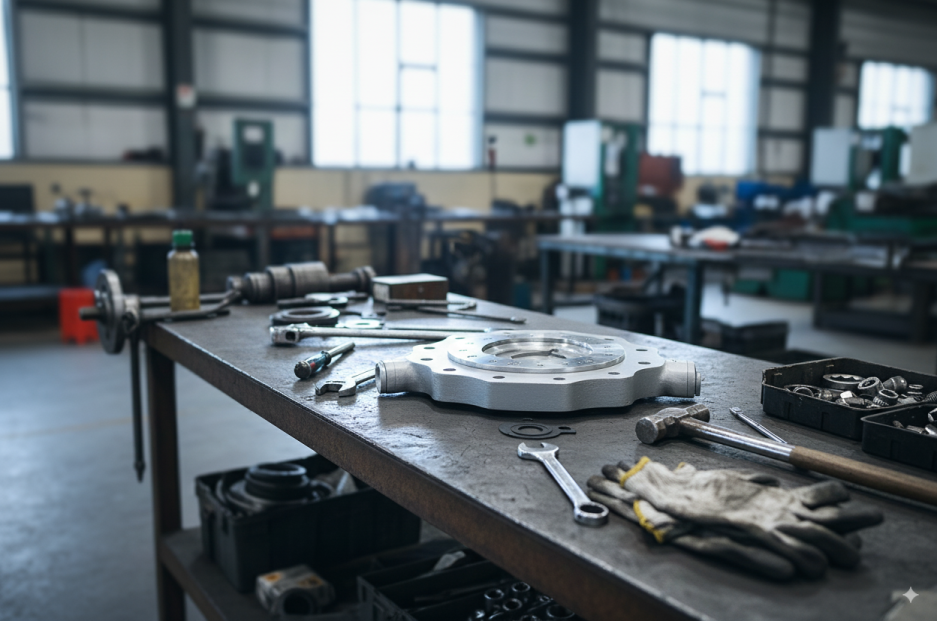
- Clean internal deposits to maintain flow path.
- Check actuator and sensor performance to ensure accurate control signals.
- Replace worn parts such as seats, stems, or packing to extend service life.
- Maintain a detailed maintenance log to record every operation and part replacement for future reference.
-
Actuator
-
Actuators convert PLC or DCS signals into valve stem movement and can be pneumatic, electric, or hydraulic. Pneumatic actuators are simple and responsive; electric actuators offer high precision and remote management; hydraulic actuators provide higher thrust and stability for large or high-pressure valves. Proper selection reduces energy consumption and maintenance frequency.
-
Industry Applications
-
Petrochemical Industry
Pneumatic valves in high-temperature, high-pressure steam lines with smart monitoring for precise flow and energy management. -
Food Processing
Electric valves with smart sensors ensure precise liquid flow control, maintaining product quality and hygiene in fully automated processes. -
Water Treatment Systems
Large valves integrated with remote control and data monitoring reduce manual inspection, improve efficiency, and ensure stable water supply and quality.

Control valves play a critical role in industrial automation, directly affecting the reliability and efficiency of the entire process system. Proper selection, daily inspection, and regular maintenance not only extend valve service life but also ensure stable production and consistent product quality. With the advancement of smart sensor technology, real-time monitoring and data analysis further enhance maintenance efficiency and safety, helping companies reduce maintenance costs and improve overall automation management.
Looking for reliable control valves for your system? [Explore our products]