
Butterfly Valves Types, Operation, and Applications in Fluid Control
Butterfly valves are essential components in fluid control systems, renowned for their ability to efficiently regulate the flow of liquids, gases, and slurries. Their unique design and operation principles make them a popular choice across various industries, from water treatment to HVAC systems and chemical processing. Understanding the intricacies of butterfly valves equips you with the knowledge to optimize their use in your specific applications.
In this article, we delve into the fundamental aspects of butterfly valves, starting with their core functionality. You will learn how these quarter-turn valves operate, the essential parts that make up a butterfly valve, and the advantages they offer over other valve types. We will also explore the two predominant styles of butterfly valves—wafer and lug—and highlight their respective use cases, ensuring you can make informed decisions based on your system’s requirements.
Moreover, the article will guide you through the various actuation methods for butterfly valves, detailing how manual, electric, pneumatic, and hydraulic options affect performance and application suitability. By the end of this read, you will have a comprehensive understanding of butterfly valves and their pivotal role in fluid control systems, empowering you to enhance efficiency and reliability in your operations. Join us as we uncover the ten essential insights into butterfly valves that every professional should know.
Understanding Butterfly Valve: What is a Butterfly Valve ?
-
Mechanism of Operation
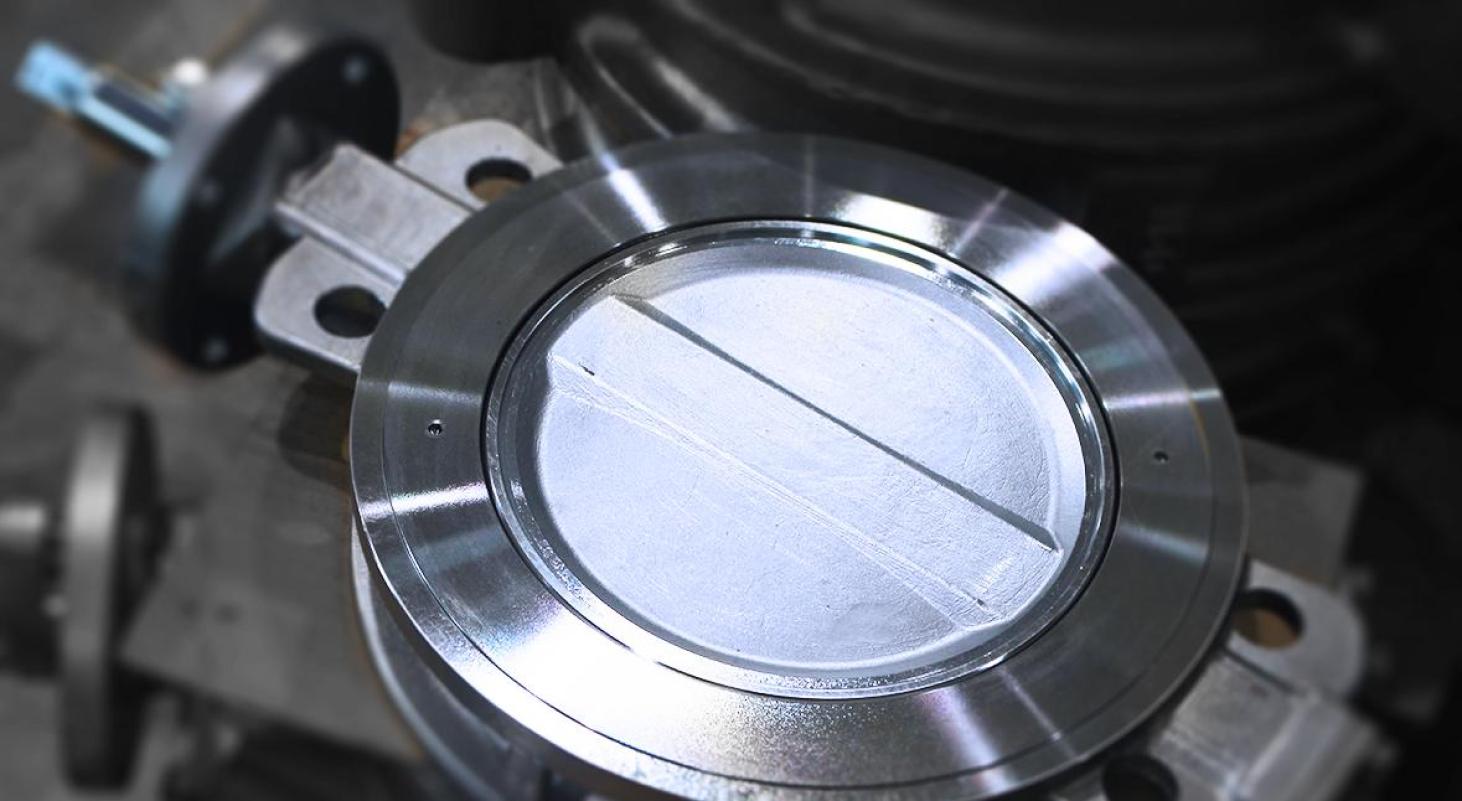
- The butterfly valve employs a disc mounted on a rod, which acts as the closing mechanism. This disc rotates a quarter turn (90 degrees) to either completely block or allow fluid passage.
-
When the disc is aligned parallel to the flow, the valve is fully open, facilitating almost unrestricted fluid flow. Conversely, when the disc is perpendicular, the flow is entirely obstructed.
-
Efficiency and Design
- Butterfly valves feature a compact design that allows high flow with low pressure drop, making them energy-efficient and easy to operate. With quarter-turn operation and durable sealing, they provide reliable flow control across water, HVAC, chemical, and power systems. Available in wafer, lug, and triple offset types, butterfly valves are versatile, lightweight, and built for long service life.
-
Types of Butterfly Valves
- Wafer and Lug Styles
- Wafer-style butterfly valves are installed between two flanges, using a tight-fitting seal to prevent backflow. However, they may be prone to clogging and have a limited flow control range.
- Lug-style butterfly valves, on the other hand, feature threaded inserts allowing them to be installed using bolts. This setup enables easier maintenance since one side can be disconnected without affecting the other.
- Wafer and Lug Styles
-
Applications
- Butterfly valves are utilized across diverse sectors, such as water treatment, HVAC systems, chemical processes, and power generation. They are particularly favored for their reliability and low pressure drop across the valve.
-
Advantages of Butterfly Valves
-
- Lightweight and Cost-Effective
- Their design allows for easier handling and installation, making them a popular choice in many industries.
- Versatile Applications
- Suitable for moderate pressure and temperature systems, butterfly valves can handle various fluids, including corrosive substances.
- Lightweight and Cost-Effective
-
-
Dependability
-
- Robust Construction
- Modern advancements in materials have enhanced the durability of butterfly valves, making them reliable for long-term use in demanding environments,
- Bubble-Tight Seal
- Certain models, especially those with metal seats, provide excellent shutoff capabilities, essential in critical applications.
- Robust Construction
-
| Feature | Wafer Butterfly Valve | Lug Butterfly Valve |
|---|---|---|
| Installation Method | Between two flanges | Threaded inserts on both sides |
| Backflow Prevention | Yes, designed for unidirectional flow | Yes, suitable for dead-end service |
| Pressure Rating | Moderate | Higher pressure capabilities |
| Maintenance | May require full system shutdown | Maintenance possible on one side |
In conclusion, understanding the function of butterfly valves is crucial for effective fluid control in various applications. Their straightforward mechanism, versatile design, and dependable performance make them an essential component in modern piping systems.
Type of Butterfly Valve: Exploring Wafer and Lug-Style Butterfly Valves
When it comes to butterfly valves, understanding their specific types is crucial for effective fluid control in various applications. Two common designs are the wafer-style butterfly valve and the lug-style butterfly valve. Both serve important roles but differ significantly in their construction and functionality. Here’s a detailed comparison to help you understand their differences and applications.
-
Construction
| Feature | Wafer-Style Butterfly Valve | Lug-Style Butterfly Valve |
|---|---|---|
| Installation | Installed between two pipe flanges using long through-bolts | Installed between two flanges with threaded inserts |
| Seal | Uses O-rings or flat face gaskets for sealing | Also uses gaskets for sealing, but with threaded lugs |
| Backflow Prevention | Designed to prevent backflow in unidirectional flow systems | Can handle dead-end services without backflow issues |
| Weight | Generally lighter and more cost-effective | Heavier due to threaded lug design |
-
Functionality
- Wafer-Style Butterfly Valve
- Best suited for applications where space is limited.
- Offers excellent shut-off capabilities for liquids and gases.
- However, it has limitations in flow control range and can be prone to clogging due to its design.
- Lug-Style Butterfly Valve
- Designed for easier maintenance and flexibility.
- Allows for disconnection of one side of the piping system without affecting the other side, which is ideal for on-line maintenance.
- It often has a reduced pressure rating when used in dead-end service, making it versatile for different applications.

-
Applications
- Wafer-Style Butterfly Valves are commonly used in
- Water treatment facilities
-
HVAC systems
-
Processes requiring a lightweight and compact design
- Lug-Style Butterfly Valves find their place in
-
Water distribution systems
-
Process isolation in industrial settings
-
Applications where maintenance flexibility is a priority
-
- Wafer-Style Butterfly Valves are commonly used in
-
Pressure Ratings
-
- The pressure ratings for these valves vary significantly
- Wafer-Style: Typically designed for moderate pressure systems.
- Lug-Style: Can handle higher pressures, but the rating decreases when used in dead-end configurations.
- The pressure ratings for these valves vary significantly
-
In summary, both wafer-style and lug-style butterfly valves have their unique advantages and are tailored for specific applications. The choice between them depends on factors such as installation requirements, space constraints, and the need for maintenance flexibility. Understanding these differences will help ensure you select the right valve for your fluid control needs.
Butterfly Valve Actuation: How is a Butterfly Valve Operated ?
Butterfly valves are crucial components in various fluid control systems, effectively regulating the flow of liquids, gases, and slurries. Their operation is straightforward, revolving around a rotating disc that manages fluid passage. Understanding the actuation methods for butterfly valves is key to ensuring efficient performance in your applications. Here’s a breakdown of the different actuation methods commonly used
-
Manual Operation
- Manually Operated Butterfly Valve: This is the simplest form of actuation where the valve is operated by hand using a lever or a wheel. It is ideal for smaller systems and applications where the valve does not require frequent adjustments.
- Example: In a small water distribution system, a technician might manually open or close the valve to isolate sections for maintenance.
- Manually Operated Butterfly Valve: This is the simplest form of actuation where the valve is operated by hand using a lever or a wheel. It is ideal for smaller systems and applications where the valve does not require frequent adjustments.
-
Electric Actuation
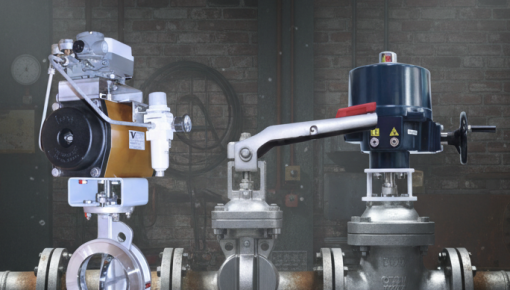
- Electric Butterfly Valve: This type utilizes an electric motor to rotate the valve’s disc, providing precise control. Electric actuators are great for remote operation and can be integrated into automated systems.
- Advantages: Fast response times and ideal for applications requiring frequent adjustments.
- Example: In a chemical processing plant, electric butterfly valves can be programmed to adjust flow rates automatically based on process demands.
- Advantages: Fast response times and ideal for applications requiring frequent adjustments.
- Electric Butterfly Valve: This type utilizes an electric motor to rotate the valve’s disc, providing precise control. Electric actuators are great for remote operation and can be integrated into automated systems.
-
Pneumatic Actuation
- Pneumatic Butterfly Valve: These valves are operated using compressed air to move the disc. Pneumatic actuators enable quick opening and closing, making them suitable for applications with high cycling rates.
- Example: In a packaging line, pneumatic butterfly valves efficiently control the flow of air and materials, ensuring quick changes in production processes.
-
Hydraulic Actuation
- Hydraulic Butterfly Valve: Similar to pneumatic systems, hydraulic actuation uses pressurized liquid to operate the valve. This method is ideal for larger valves or systems that require significant force to operate.
- Example: In large industrial applications, such as hydroelectric power stations, hydraulic butterfly valves manage massive volumes of water with precision.
Comparison of Actuation Methods
| Actuation Method | Advantages | Disadvantages | Typical Applications |
|---|---|---|---|
| Manual | Simple, low cost | Labor-intensive, slow operation | Small systems, maintenance tasks |
| Electric | Precise control, remote operation | Higher installation and maintenance costs | Chemical processing, automated systems |
| Pneumatic | Fast operation, suitable for high cycling rates | Compressed air supply required | Packaging lines, food processing |
| Hydrauli | High force capability, suitable for large valves | More complex setup, requires hydraulic fluid | Hydro power, large industrial applications |
Understanding the actuation methods for butterfly valves is essential for selecting the right type for your system. Each method has its own strengths and weaknesses, so consider the specific requirements of your application, such as response time, control precision, and operational environment. Whether you opt for a manually operated valve for simplicity or an electric actuator for automation, choosing the right actuation method will enhance the efficiency and reliability of your fluid control system.
By recognizing the functionality, types, and actuation methods associated with butterfly valves, you can make informed decisions that align with your fluid control requirements. Whether you’re involved in water treatment, HVAC systems, or manufacturing processes, choosing the right butterfly valve can significantly impact system performance.